


For SPC flooring importers and distributors, product appearance is only one part of quality evaluation.
The locking system is one of the most important technical components because it directly affects:
- Installation efficiency
- Floor stability
- Joint performance
- Customer satisfaction after installation
A high-quality SPC flooring click system should provide accurate connection, reliable locking strength and consistent performance across large production volumes.
Before placing an order, buyers should understand how the locking profile works and what quality factors should be checked.
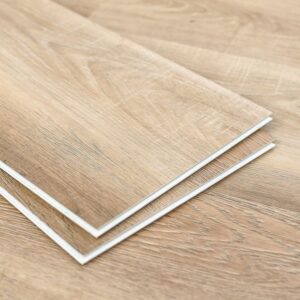
1. Why the Locking System Matters in SPC Flooring
SPC flooring is commonly installed using a click-lock system instead of traditional glue installation.
The locking profile connects each plank together through specially designed edges.
A good locking system helps achieve:
- Faster installation
- Cleaner appearance
- Reduced installation problems
- Better long-term stability
However, the performance of a click system depends on several factors:
- Core density
- Profile design
- Cutting precision
- Production control
- Raw material quality
A click system cannot be evaluated separately from the overall SPC flooring construction.
For a complete understanding of SPC structure:
SPC Flooring: A Technical Guide to Rigid Core Waterproof Flooring
2. Common Problems Caused by Poor Locking Quality
Low-quality locking systems may create problems during installation or after use.
Joint Gaps
If the locking profile is inaccurate, planks may not connect tightly.
Possible results include:
- Visible gaps
- Uneven appearance
- Dirt accumulation between joints
Broken Click Edges
The locking area is relatively thin compared with the main flooring body.
If the material strength or machining accuracy is insufficient, the edges may break during installation.
Floor Movement
A weak locking system may reduce the overall stability of the installed floor.
This can lead to:
- Plank movement
- Open joints
- Customer complaints
For professional buyers, checking locking performance before mass production is important.
3. Key Factors That Affect SPC Locking Performance
1. Core Density
The rigid core provides the foundation of SPC flooring strength.
Higher-quality cores generally provide better support for precise locking profiles.
Important factors include:
- Material formulation
- Density consistency
- Production stability
2. Precision of Profile Cutting
The click profile must be manufactured with accurate dimensions.
Production equipment and quality control influence:
- Locking tightness
- Installation smoothness
- Joint consistency
Professional factories normally monitor profile accuracy during production.
3. Flooring Thickness
Different thickness levels influence the overall structure of SPC flooring.
Common thickness options include:
- 4mm
- 5mm
- 6mm
- 8mm
The correct thickness depends on the application requirements.
More information:
SPC Flooring Thickness Guide: How to Choose 4mm, 5mm, 6mm or 8mm SPC Flooring
4. How Importers Can Test SPC Locking Quality
Before placing a large order, buyers should evaluate samples carefully.
Sample Assembly Test
Check:
- Whether planks connect smoothly
- Whether joints remain flat
- Whether repeated assembly damages the edges
Visual Inspection
Look for:
- Accurate profile shape
- Clean cutting edges
- Consistent dimensions
Strength Testing
Professional testing may include:
- Locking strength testing
- Static load testing
- Dimensional stability testing
For a complete supplier inspection checklist:
SPC Flooring Quality Inspection Checklist: What Importers Should Check Before Shipment
5. Click System and Commercial Project Requirements
For residential projects, installation convenience is often the main consideration.
For commercial projects, locking performance becomes even more important because:
- Installation areas are larger
- Foot traffic is higher
- Replacement costs are greater
Applications such as:
- Hotels
- Retail stores
- Offices
- Multi-family housing
usually require stable locking performance.
Related article:
Commercial SPC Flooring Solutions: Applications for Hotels, Healthcare, Retail & More
6. Choosing the Right SPC Flooring Supplier
For buyers sourcing SPC flooring, the supplier’s manufacturing capability directly affects locking quality.
Important evaluation points include:
Production Equipment
Check whether the factory has:
- Modern extrusion lines
- Precision cutting equipment
- Stable production processes
Quality Control
A reliable supplier should monitor:
- Dimensions
- Click profile accuracy
- Surface quality
- Packaging condition
Manufacturing Experience
Experienced manufacturers understand how different markets require different specifications.
For sourcing guidance:
How to Find a Reliable SPC Flooring Manufacturer in China: A Complete Guide for Importers
SPC Flooring Locking System Support for Global Buyers
SENOINFI supplies SPC flooring solutions with different specifications for international distributors, importers and project customers.
Available options include:
- SPC click flooring
- Different thickness options
- Various wear layers
- EIR surface finishes
- IXPE and EVA backing options
- OEM production support
For buyers, evaluating the locking system before ordering helps reduce installation risks and improves long-term product performance.