


When sourcing SPC flooring, buyers often focus on visible features such as:
- Color
- Surface texture
- Thickness
- Wear layer
However, the backing layer is also an important part of the flooring structure.
The underlayment affects:
- Walking comfort
- Sound performance
- Installation experience
- Overall product specifications
Two common backing materials used with SPC flooring are:
- IXPE (Cross-linked Polyethylene Foam)
- EVA (Ethylene Vinyl Acetate Foam)
Both materials have advantages, but the right choice depends on project requirements, market expectations and application conditions.
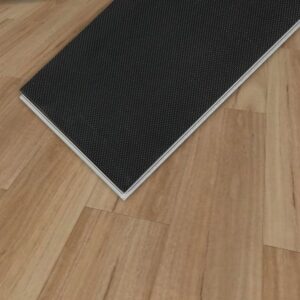
1. What Is the Backing Layer of SPC Flooring?
The backing layer is the bottom layer attached to the SPC plank.
Its main functions include:
- Improving underfoot comfort
- Reducing impact sound
- Supporting installation performance
- Providing additional cushioning
Many SPC flooring products are manufactured with pre-attached backing to simplify installation.
Common options include:
- IXPE backing
- EVA backing
The selection of backing material should match the target market and project requirements.
For a complete understanding of SPC flooring structure:
SPC Flooring: A Technical Guide to Rigid Core Waterproof Flooring
2. What Is IXPE Underlayment?
IXPE stands for cross-linked polyethylene foam.
It is widely used in premium SPC flooring products because of its stable physical performance.
Main Characteristics of IXPE
Better Dimensional Stability
The cross-linked structure provides good stability during temperature and humidity changes.
This can help maintain consistent flooring performance over time.
Good Acoustic Performance
IXPE backing can help reduce impact noise, making it suitable for:
- Apartments
- Residential buildings
- Hotels
- Office environments
Moisture Resistance
IXPE has a closed-cell structure that provides good moisture resistance.
This makes it suitable for applications where additional protection is required.
3. What Is EVA Underlayment?
EVA is a flexible foam material commonly used in flooring applications.
It is known for:
- Soft feeling underfoot
- Cushioning effect
- Cost efficiency
Main Characteristics of EVA
Improved Comfort
EVA backing can provide a softer walking experience.
This can be attractive for residential applications where comfort is an important consideration.
Flexible Application
EVA is commonly selected for:
- Residential flooring
- Budget-sensitive projects
- General commercial applications
Cost Consideration
Compared with some premium backing options, EVA may provide a more economical solution for certain markets.
4. IXPE vs EVA: Key Differences
| Feature | IXPE Backing | EVA Backing |
| Material structure | Cross-linked polyethylene foam | Ethylene vinyl acetate foam |
| Stability | Higher dimensional stability | Good flexibility |
| Comfort | Good | Very good |
| Acoustic performance | Excellent | Good |
| Moisture resistance | Excellent | Good |
| Typical positioning | Premium SPC flooring | Cost-effective SPC flooring |
The better option depends on the final application and market requirements.
5. Which Backing Is Better for Different Projects?
There is no single backing material suitable for every project.
Residential Projects
For apartments and homes, buyers may prioritize:
- Comfort
- Noise reduction
- Cost balance
Both IXPE and EVA can be considered depending on customer expectations.
Multi-Family Housing
Large residential developments often require:
- Consistent quality
- Acoustic performance
- Installation efficiency
IXPE backing is often considered for projects where sound performance is an important requirement.
Related article:
Hotels and Hospitality Projects
Hotels usually pay more attention to guest experience.
Important factors include:
- Walking comfort
- Noise control
- Long-term durability
For hospitality applications:
Commercial SPC Flooring Solutions: Applications for Hotels, Healthcare, Retail & More
Commercial Projects
Commercial buyers should consider:
- Traffic level
- Maintenance requirements
- Installation conditions
The backing choice should match the overall flooring specification.
6. How Importers Should Select SPC Flooring Backing
Before ordering SPC flooring, buyers should confirm:
Project Requirements
Understand:
- Residential or commercial use
- Expected foot traffic
- Acoustic requirements
- Local market preference
Product Specification
Ask suppliers about:
- Core thickness
- Total flooring thickness
- Backing thickness
- Backing material
Testing Information
For larger projects, buyers may request:
- Acoustic test information
- Technical data sheets
- Product samples
A professional SPC flooring manufacturer should provide clear product specifications before production.
7. Backing Layer and Overall SPC Flooring Quality
Although the backing layer is important, it should always be evaluated together with the complete flooring structure.
Other key factors include:
- Core quality
- Click-lock performance
- Wear layer thickness
- Surface treatment
For example, the locking system directly affects installation reliability.
Learn more:
SPC Flooring Locking System Quality: What Buyers Should Check Before Ordering
SPC Flooring Backing Solutions for Global Buyers
SENOINFI supplies SPC flooring solutions with different structural options for international buyers.
Available options include:
- SPC click flooring
- IXPE backing
- EVA backing
- Different thickness options
- Various wear layer specifications
- OEM and private label production
For distributors and project buyers, selecting the correct backing material helps create flooring products that better match their target market requirements.