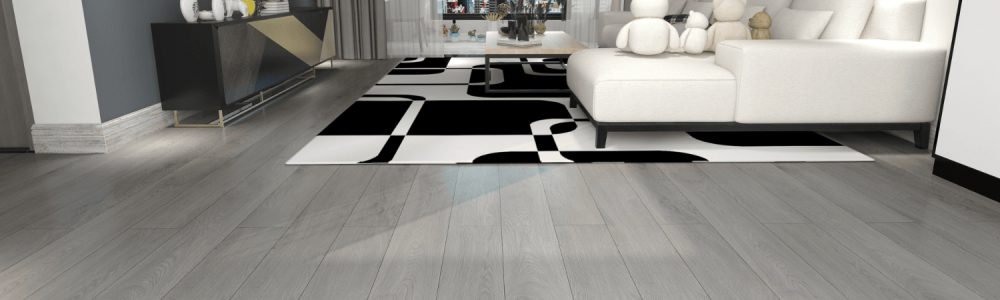
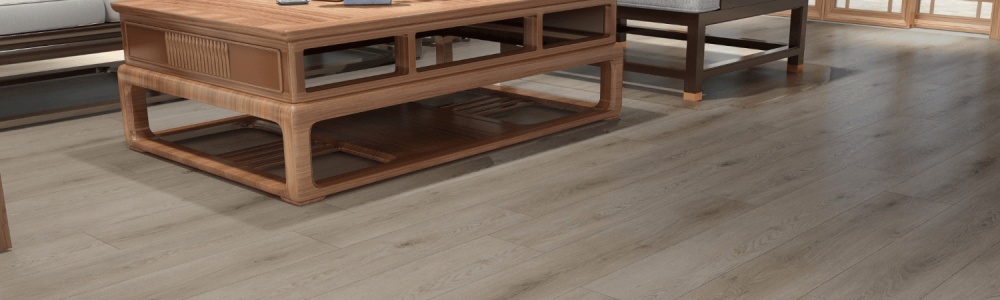
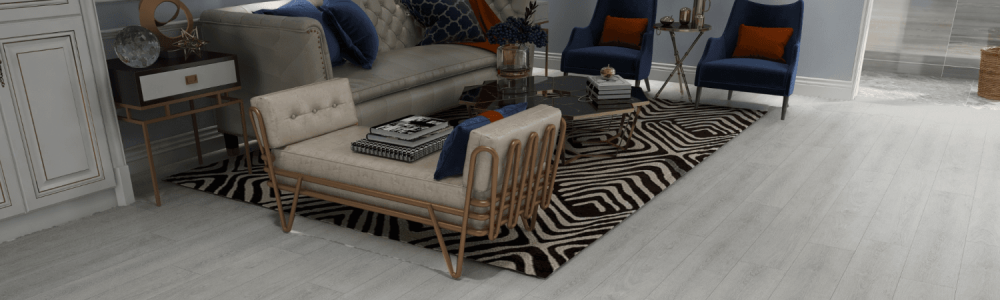
When selecting SPC flooring, buyers often focus on visible features such as:
- Wood texture
- Color design
- Thickness
- Wear layer
However, surface protection is also an important factor that affects long-term appearance and maintenance requirements.
For residential users, stain resistance helps make daily cleaning easier.
For commercial projects such as hotels, offices and retail stores, a floor surface that maintains its appearance after frequent use can reduce maintenance costs.
One important technology influencing SPC flooring surface performance is the UV coating layer.
1. What Makes SPC Flooring Resistant to Stains?
SPC flooring typically uses a multi-layer structure designed to provide:
- Surface protection
- Decorative appearance
- Structural stability
- Installation performance
The surface system usually includes:
- UV protective coating
- Wear layer
- Decorative film
- SPC rigid core
The UV coating is the first protective layer exposed to daily use.
It helps improve resistance against:
- Dirt
- Liquid marks
- Household stains
- Surface contamination
However, stain resistance depends on the complete surface structure, including coating quality, wear layer and manufacturing process.
2. What Is UV Coating on SPC Flooring?
UV coating is a protective surface treatment applied during SPC flooring production.
Its main functions include:
Surface Protection
The coating creates an additional protective layer over the decorative surface.
This helps reduce damage caused by:
- Daily friction
- Minor scratches
- Dirt accumulation
Easier Maintenance
A well-designed surface finish can make cleaning easier because contaminants are less likely to penetrate the surface.
Typical maintenance includes:
- Regular vacuuming
- Damp cleaning
- Removing spills promptly
For detailed maintenance information:
SPC Flooring Maintenance Guide: Cleaning, Care and Long-Term Performance
Appearance Protection
UV coating also helps protect the decorative layer from environmental factors.
This is especially important in areas exposed to:
- Natural light
- Large windows
- Commercial display lighting
3. How Does UV Coating Affect SPC Flooring Performance?
Different SPC flooring products may use different surface treatments.
The quality of UV coating can influence:
Stain Resistance
A well-designed surface helps reduce the attachment of common stains.
Examples include:
- Coffee
- Food residue
- Dust
- Daily household contamination
Cleaning Efficiency
Commercial spaces often require frequent cleaning.
A surface that is easier to maintain can help reduce:
- Cleaning time
- Maintenance workload
- Appearance issues
Long-Term Appearance
Flooring is a long-term investment.
Surface protection helps maintain:
- Color appearance
- Texture quality
- Overall visual performance
4. UV Coating vs Wear Layer: What Is the Difference?
Buyers sometimes confuse UV coating and wear layer.
They serve different purposes.
UV Coating
Main function:
- Surface protection
- Stain resistance
- Gloss control
- Easier maintenance
Wear Layer
Main function:
- Abrasion resistance
- Protection against daily traffic
- Protection of decorative layer
Common wear layer options include:
- 0.2mm
- 0.3mm
- 0.5mm
- 0.7mm
A flooring product requires both appropriate surface protection and suitable wear resistance.
More information:
SPC Flooring Wear Layer Guide: 0.2mm vs 0.3mm vs 0.5mm vs 0.7mm Explained for Buyers
5. SPC Flooring Stain Resistance for Different Applications
Different projects have different surface requirements.
Residential Applications
For homes and apartments, buyers usually consider:
- Easy daily cleaning
- Family use
- Pet resistance
- Long-term appearance
SPC flooring with a quality surface treatment can provide a practical solution for busy households.
Hotels and Hospitality
Hotels require flooring that maintains appearance under continuous use.
Important considerations include:
- Guest room maintenance
- Corridor traffic
- Cleaning frequency
- Interior appearance
Related:
Commercial SPC Flooring Solutions: Applications for Hotels, Healthcare, Retail & More
Retail Stores
Retail flooring faces:
- High foot traffic
- Frequent cleaning
- Customer visibility
A stain-resistant surface helps maintain a professional appearance.
Healthcare and Public Buildings
Healthcare environments often require:
- Easy cleaning
- Hygienic surfaces
- Stable performance
Buyers should also consider project-specific requirements and applicable testing documentation.
6. How Should Importers Evaluate SPC Flooring Surface Quality?
Before placing an order, buyers should check more than appearance.
Important questions include:
Surface Information
Ask:
- What UV coating technology is used?
- What surface finish is available?
- Is the product matte, satin or glossy?
Testing Information
Request:
- Technical data sheets
- Surface performance information
- Relevant test reports
Sample Evaluation
Before mass production, buyers should check:
- Color consistency
- Surface texture
- Cleaning performance
- Resistance to common stains
The approved sample should represent the expected production quality.
7. Relationship Between Surface Technology and SPC Flooring Design
Modern SPC flooring is not only about performance but also appearance.
Advanced surface technologies allow manufacturers to create:
- Realistic wood textures
- Stone patterns
- Matte finishes
- Natural grain effects
Technologies such as EIR (Embossed in Register) can improve the relationship between visual patterns and surface texture.
Related:
EIR vs Regular Embossed SPC Flooring: A Technical Guide for Buyers
8. Choosing the Right SPC Flooring Specification
Stain resistance should be considered together with other specifications.
Professional buyers should evaluate:
- Surface treatment
- Wear layer
- Core quality
- Thickness
- Click system
- Backing material
For example:
A residential project may prioritize easy maintenance and design selection.
A commercial project may require stronger surface protection combined with higher wear resistance.
The correct specification depends on the actual application.
SPC Flooring Surface Solutions for Global Buyers
SENOINFI supplies SPC flooring solutions for:
- Importers
- Distributors
- Contractors
- Project buyers
Available options include:
- Different UV coating finishes
- Various wear layer options
- Embossed and EIR surfaces
- Different thickness specifications
- IXPE and EVA backing
- OEM and private-label production
For buyers developing SPC flooring collections, surface technology should be selected according to the target market, application requirements and expected product positioning.