

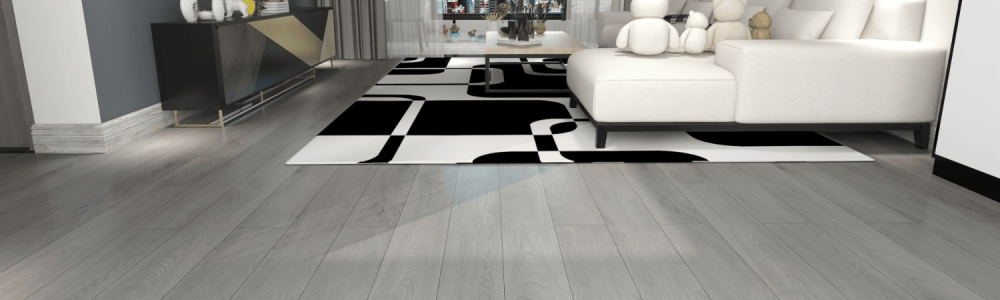
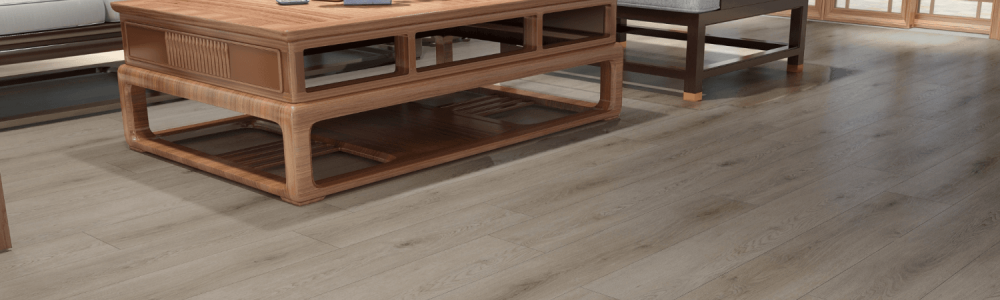
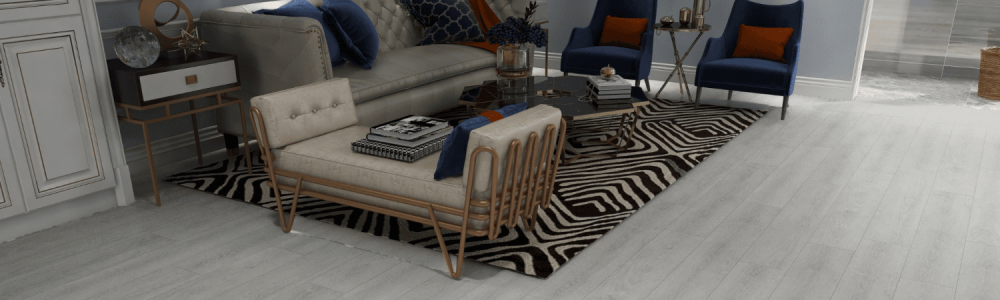
Selecting flooring for a commercial project is not only about appearance.
For architects, contractors and developers, flooring decisions must balance multiple factors:
Durability
Installation efficiency
Maintenance requirements
Safety standards
Long-term cost performance
SPC flooring has become an increasingly popular choice for commercial applications because it combines the realistic appearance of wood and stone with the practical advantages required for demanding environments.
For professional buyers, understanding the key selection factors can help avoid costly mistakes and choose the right flooring solution for each project.
1. Why SPC Flooring Is Suitable for Commercial Projects
Commercial buildings experience higher traffic levels than many residential applications.
Flooring systems must handle:
- Daily foot traffic
- Furniture movement
- Cleaning requirements
- Temperature changes
- Long operating hours
SPC flooring uses a rigid stone composite core that provides excellent dimensional stability and impact resistance.
Compared with traditional flooring materials, SPC offers advantages including:
- Waterproof performance
- Easy maintenance
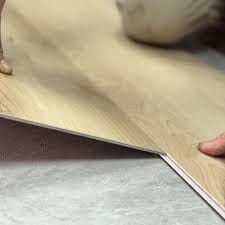
- Strong click-lock installation
- Wide design options
These features make SPC suitable for many commercial environments.
Related article:
SPC Flooring Durability: How Manufacturing Quality Determines Long-Term Performance
2. Key Factors Buyers Should Consider Before Selecting SPC Flooring
Wear Layer Requirements
The wear layer is one of the most important specifications for commercial flooring.
Different applications may require different wear levels.
Typical options:
Residential and Light Commercial
0.2mm–0.3mm wear layer
Suitable for:
- Apartments
- Small offices
- Light traffic areas
Heavy Commercial
0.5mm–0.7mm wear layer
Suitable for:
- Hotels
- Retail stores
- Public areas
- High-traffic projects
Choosing the correct wear layer helps balance cost and expected service life.
SPC Flooring Wear Layer Guide: 0.2mm vs 0.3mm vs 0.5mm vs 0.7mm Explained
3. Installation Efficiency for Large Projects
For developers and contractors, installation speed directly affects project schedules.
SPC click flooring systems provide several advantages:
Faster Installation
Compared with glue-down flooring systems, click installation can reduce installation time.
Benefits include:
- Less preparation work
- Reduced labor requirements
- Faster project completion
Easier Replacement
For commercial properties, damaged planks can often be replaced individually without removing the entire floor.
This helps reduce future maintenance costs.
Related article:
SPC Flooring Click System Guide: How Locking Technology Improves Installation and Long-Term Performance
4. SPC Flooring Applications in Commercial Buildings
Hotels
Hotels require flooring that combines:
- Attractive appearance
- Quiet walking experience
- Easy maintenance
Wood-look SPC flooring can provide a premium interior style while maintaining practical performance.
Options such as IXPE underlayment can improve acoustic comfort.
Offices
Office environments require flooring that can handle:
- Daily employee traffic
- Chair movement
- Regular cleaning
SPC provides stable performance while offering professional wood and stone designs.
Retail Stores
Retail spaces need flooring that maintains appearance under frequent customer traffic.
Important considerations include:
- Wear resistance
- Stain resistance
- Easy cleaning
Multi-Family Housing Projects
Developers often choose SPC flooring because one product can be used across multiple areas:
- Living rooms
- Bedrooms
- Kitchens
- Bathrooms
This simplifies purchasing and creates a consistent interior design.
Related article:
5. Safety and Environmental Requirements
For many commercial projects, buyers need supporting documentation.
Important considerations include:
- VOC emission testing
- Indoor air quality requirements
- Chemical compliance documents
- Product technical data
Professional buyers should evaluate actual test reports instead of relying only on marketing claims.
Related article:
Is SPC Flooring Safe? Understanding Formaldehyde, VOC and Environmental Standards
6. Design Options for Modern Commercial Interiors
Modern SPC flooring offers various design possibilities:
Wood-Look Flooring
Popular choices include:
- Oak
- Walnut
- Natural wood textures
Suitable for:
- Hotels
- Offices
- Residential developments
Stone-Look Flooring
Stone patterns can create modern commercial interiors for:
- Retail
- Hospitality
- Public spaces
Advanced technologies such as EIR embossing improve realistic texture and appearance.
Related article:
SPC Flooring Design Trends: Top Wood and Stone Textures for Modern Interiors
7. What Project Buyers Should Ask SPC Flooring Suppliers
Before selecting a supplier, buyers should confirm:
Product Information
- Thickness options
- Wear layer specification
- Surface treatment
- Underlayment options
Quality Documentation
- Test reports
- Technical data sheets
- Installation instructions
Supply Capability
- Production capacity
- Quality control process
- Delivery schedule
Choosing the right supplier is as important as choosing the right product.
How to Find a Reliable SPC Flooring Manufacturer in China: A Complete Guide for Importers
8. SENOINFI Commercial SPC Flooring Solutions
SENOINFI supplies SPC flooring solutions for international distributors, contractors and project customers.
Our product solutions can be customized according to project requirements, including:
- Thickness options
- Wear layer selection
- Surface designs
- Packaging requirements
By understanding project needs before production, buyers can select flooring specifications that match their target market and application.
Request SPC Flooring Information
Commercial flooring requires a balance between design, performance and long-term value.
For architects, contractors and developers, SPC flooring provides a practical solution for projects that require durability, easy maintenance and efficient installation.
SENOINFI provides SPC flooring solutions for commercial projects worldwide.
Contact us for specifications, samples and technical support.