

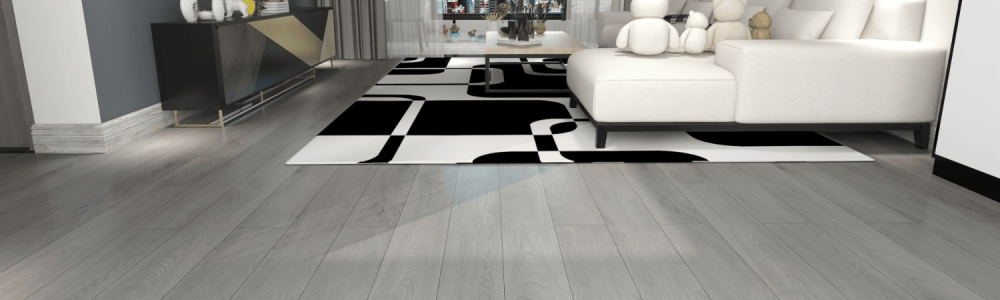
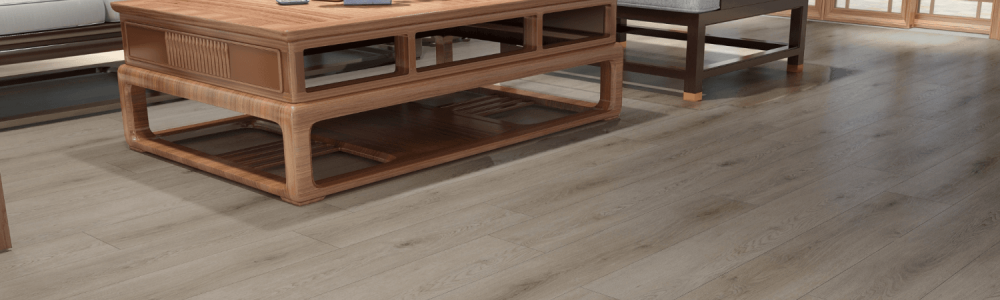
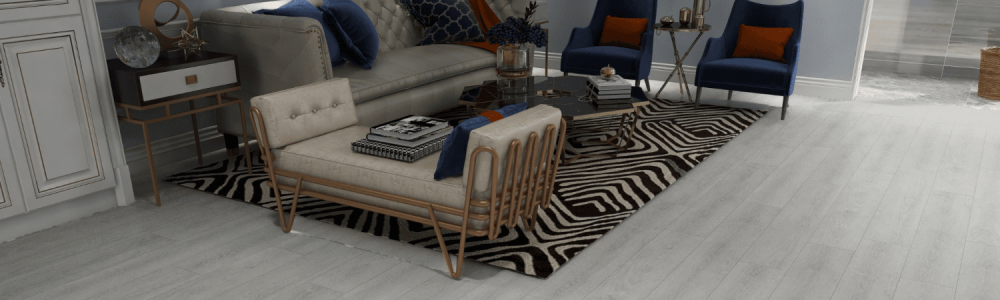
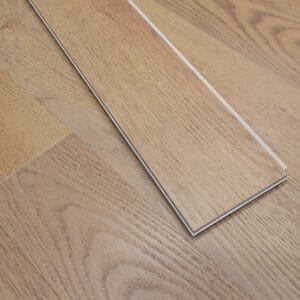
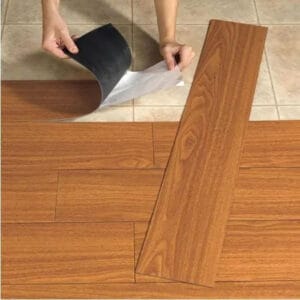
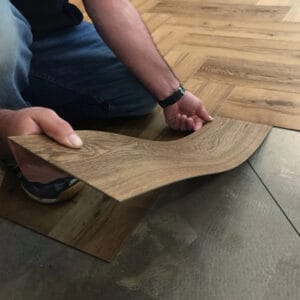
For flooring importers and distributors, choosing between SPC flooring and LVT flooring is a common sourcing decision.
Both products belong to the vinyl flooring category and offer advantages compared with traditional flooring materials.
However, their construction, performance characteristics and target applications are different.
For professional buyers, the question is not simply:
“Which product is better?”
The more important question is:
“Which flooring solution is more suitable for my market, customers and projects?”
This guide compares SPC flooring and LVT flooring from an importer’s perspective.
1. Construction Difference Between SPC and LVT
The biggest difference between SPC and LVT is the core structure.
SPC Flooring
SPC (Stone Plastic Composite) flooring uses a rigid core made from:
- Limestone powder
- PVC
- Stabilizers
- Other additives
The rigid core provides:
- Higher dimensional stability
- Strong impact resistance
- Better resistance to temperature changes
LVT Flooring
Traditional LVT usually uses a flexible vinyl core.
Its structure provides:
- Good comfort underfoot
- Design flexibility
- Easy cutting and installation
However, because the core is softer, it may require better subfloor preparation.
2. SPC vs LVT: Waterproof Performance
Both SPC and LVT are considered water-resistant flooring solutions.
However, their response to moisture can be different.
SPC Flooring
The rigid mineral composite core does not absorb water easily.
Advantages:
- Waterproof core
- Better dimensional stability
- Suitable for moisture-prone areas
Common applications:
- Kitchens
- Bathrooms
- Commercial spaces
- Multi-family housing
LVT Flooring
LVT itself is also moisture resistant.
However, installation methods can affect overall performance.
For example:
- Glue-down installation depends on adhesive quality
- Subfloor preparation becomes more important
3. Installation Comparison
Installation is an important factor for international projects.
SPC Click Flooring
Advantages:
- Floating installation
- Faster installation speed
- No adhesive required
- Suitable for renovation projects
The rigid structure helps reduce minor subfloor imperfections.
Related article:
LVT Installation
Common installation methods include:
- Glue-down
- Loose lay
- Click systems
Glue-down LVT can provide strong floor stability but usually requires:
- More preparation work
- Professional installation
- Additional adhesive cost
4. Durability and Commercial Performance
For importers supplying commercial projects, durability is a key consideration.
SPC Flooring Advantages
The rigid core provides:
- Better indentation resistance
- Higher structural stability
- Stronger locking performance
Suitable for:
- Hotels
- Offices
- Retail stores
- Apartments
Learn more:
SPC Flooring Durability: How Manufacturing Quality Determines Long-Term Performance
LVT Advantages
LVT provides:
- Comfortable walking feeling
- Flexible surface
- Wide design options
It can perform well in many commercial environments when correctly specified.
5. SPC vs LVT: Cost Considerations
The final cost depends on:
- Thickness
- Wear layer
- Surface technology
- Installation method
- Packaging
- Shipping
SPC may have a higher factory cost compared with basic LVT because of its rigid core construction.
However, importers should also consider:
- Installation efficiency
- Maintenance requirements
- Long-term performance
A lower initial price does not always mean a lower total project cost.
Related guide:
How Much Does SPC Flooring Cost? A Technical Pricing Guide for Importers
6. Design and Market Positioning
Both SPC and LVT offer many design options.
Available styles include:
- Wood appearance
- Stone appearance
- Marble patterns
- Modern textures
SPC flooring has become popular because it combines:
- Realistic designs
- Waterproof performance
- Rigid structure
Advanced surface technologies such as EIR can further improve the natural appearance.
Read:
EIR vs Regular Embossed SPC Flooring: A Technical Sourcing Guide
7. Which Product Is Better for Different Markets?
There is no universal answer.
The best choice depends on market requirements.
SPC Flooring May Be Suitable For:
- Waterproof flooring demand
- Fast installation projects
- Multi-family housing
- Commercial renovation
- Markets requiring rigid core products
LVT Flooring May Be Suitable For:
- Projects requiring flexible flooring
- Certain commercial applications
- Markets with established LVT demand
8. What Should Importers Consider Before Buying?
Before selecting SPC or LVT, buyers should evaluate:
Target Customers
Are your customers:
- Residential buyers?
- Contractors?
- Developers?
- Retail chains?
Project Requirements
Consider:
- Traffic level
- Moisture exposure
- Installation method
- Maintenance expectations
Supplier Capability
A reliable supplier should provide:
- Technical specifications
- Samples
- Testing documents
- Consistent production quality
For supplier evaluation:
How to Find a Reliable SPC Flooring Manufacturer in China: A Buyer’s Guide
SPC and LVT Solutions from SENOINFI
SENOINFI supplies SPC flooring solutions for international distributors, importers and project customers.
Our product range includes:
- SPC flooring
- LVT flooring
- Customized specifications
- OEM/private label solutions
Different markets require different flooring solutions.
Our team helps buyers select suitable products according to:
- Application
- Technical requirements
- Market positioning
Request SPC Flooring and LVT Samples
SPC and LVT both have their advantages.
For importers, the right choice depends on:
Market Demand + Application Requirements + Product Specification + Supplier Capability
Understanding these differences helps buyers build a stronger flooring product portfolio.
Contact SENOINFI for SPC and LVT flooring samples, specifications and sourcing support.