

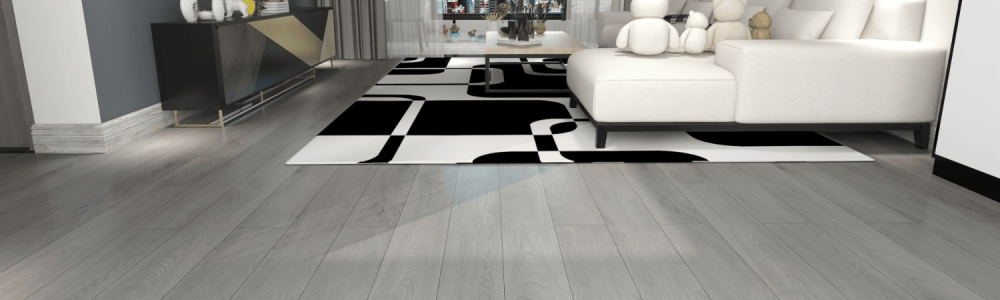
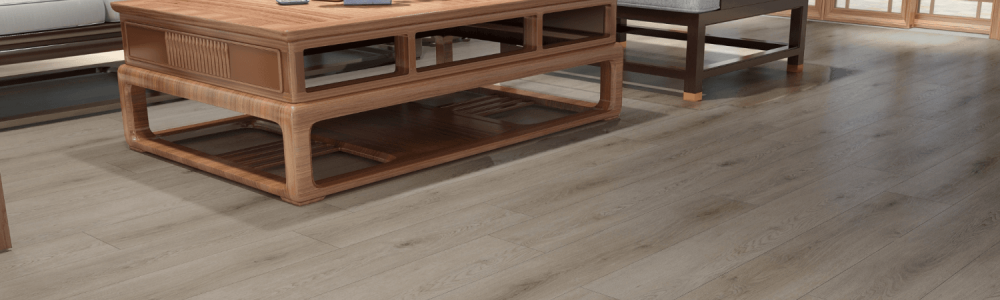
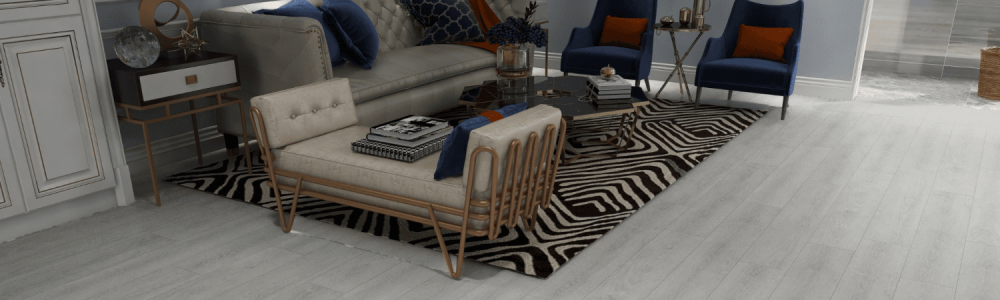
China has become one of the major production centers for SPC flooring, supplying distributors, wholesalers, and project customers worldwide.
However, with the rapid growth of the SPC flooring market, buyers may find it difficult to distinguish between experienced manufacturers and trading companies with limited production capability.
Choosing the right supplier is not only about price.
A reliable SPC flooring manufacturer should provide:
- Stable product quality
- Consistent production capability
- Complete technical documentation
- Professional export experience
- Long-term cooperation support
This guide explains the key factors international buyers should consider before selecting an SPC flooring manufacturer in China.
1. Check Whether the Supplier Is a Real Manufacturer
The first step is confirming whether the company actually owns production capability.
Some suppliers operate mainly as trading companies and outsource production to different factories.
Working directly with a manufacturer can provide advantages such as:
- Better production control
- Faster communication
- More flexible customization
- Better understanding of technical specifications
When evaluating a supplier, buyers can check:
- Factory location
- Production lines
- Product categories
- Manufacturing experience
- Factory photos and videos
- Production capacity
A professional manufacturer should be able to clearly explain its production process and quality control system.
For more information about SPC production, see:
How Is SPC Flooring Made? A Supplier Guide to SPC Flooring Manufacturing Process
2. Evaluate Factory Experience and Production Capability
SPC flooring production requires experience in:
- Raw material mixing
- Extrusion
- Printing and decoration
- UV coating
- Click profile processing
- Quality inspection
A reliable factory should have stable production processes rather than relying only on temporary outsourcing.
Important questions for buyers:
- How many years have you produced SPC flooring?
- What markets do you supply?
- What production capacity can you provide?
- Can you support large projects?
For distributors and importers, production stability is important because inconsistent quality can create customer complaints and replacement costs.
3. Review Product Specifications Carefully
Different markets require different SPC flooring specifications.
Before ordering, buyers should confirm:
Thickness
Common options include:
- 4mm
- 5mm
- 6mm
- 8mm
Learn more:
SPC Flooring Thickness Guide: How to Choose 4mm, 5mm, 6mm or 8mm SPC Flooring
Wear Layer
Wear layer options commonly include:
- 0.2mm
- 0.3mm
- 0.5mm
- 0.7mm
The correct choice depends on application and traffic requirements.
Read:
SPC Flooring Wear Layer Guide: 0.2mm vs 0.3mm vs 0.5mm vs 0.7mm Explained
Click System
The locking system affects:
- Installation efficiency
- Joint stability
- Long-term floor performance
A supplier should explain:
- Click profile design
- Locking strength
- Production accuracy
Read:
4. Check Certifications and Testing Documents
Professional buyers should not select suppliers only based on product photos or price.
Request relevant documentation, including:
- Technical data sheets
- Test reports
- VOC testing
- Fire performance documents
- Quality inspection records
Certification requirements depend on:
- Target country
- Application
- Project specification
A reliable supplier should provide documents matching the actual product being supplied.
For more information:
SPC Flooring Certifications Guide: Standards and Tests for Importers
5. Understand OEM and Customization Capability
Many distributors want to build their own flooring brands.
A capable SPC flooring manufacturer should support:
- Custom colors
- Private labeling
- Customized packaging
- Product specifications
- Project-based solutions
OEM service is especially important for:
- Flooring wholesalers
- Regional distributors
- Retail brands
Learn more:
OEM & ODM SPC Flooring Manufacturer for Private Label Brands
6. Evaluate Quality Control Procedures
A professional factory should have a clear QC system.
Important inspection stages include:
Raw Material Inspection
Checking:
- PVC materials
- Limestone powder
- Additives
Production Inspection
Monitoring:
- Thickness accuracy
- Plank dimensions
- Surface quality
- Click profile
Final Inspection
Checking:
- Appearance
- Packaging
- Quantity
- Product consistency
Before shipment, buyers should also conduct their own inspection process.
See:
SPC Flooring Quality Inspection Checklist: What Importers Should Check Before Shipment
7. Consider Export Experience
Producing SPC flooring is different from exporting SPC flooring.
An experienced exporter should understand:
- International packaging requirements
- Container loading
- Shipping documents
- Destination market expectations
Questions buyers can ask:
- Which countries do you export to?
- Can you provide export references?
- Do you understand my market requirements?
A supplier familiar with international trade can help reduce communication and logistics problems.
8. Avoid Choosing Suppliers Only by Price
Price is important, but the lowest quotation may not represent the best value.
Very low prices may result from:
- Lower wear layer
- Recycled materials
- Reduced quality control
- Limited customization
- Inconsistent production
A better evaluation should include:
Product Quality + Factory Capability + Documentation + Service + Price
Why Work with SENOINFI as Your SPC Flooring Supplier?
SENOINFI focuses on providing SPC flooring solutions for international distributors, importers and project customers.
Our capabilities include:
- SPC flooring production
- OEM/private label support
- Customized specifications
- Technical documentation
- Export service
With experience in international flooring markets, SENOINFI supports customers from product selection to shipment preparation.
Request SPC Flooring Samples and Factory Information
Choosing the right SPC flooring manufacturer in China is an important decision for long-term business development.
Before placing an order, buyers should evaluate:
- Manufacturing capability
- Product quality
- Certification support
- Customization options
- Export experience
A reliable supplier should not only provide competitive products but also support your business growth with stable quality and professional service.
Contact SENOINFI to discuss SPC flooring specifications, samples and cooperation opportunities.