

For international flooring buyers, understanding how SPC flooring is manufactured can help them evaluate suppliers, compare products and make better purchasing decisions.
SPC flooring has become a popular choice for residential, commercial and hospitality projects because it combines:
- Waterproof performance
- Dimensional stability
- Easy installation
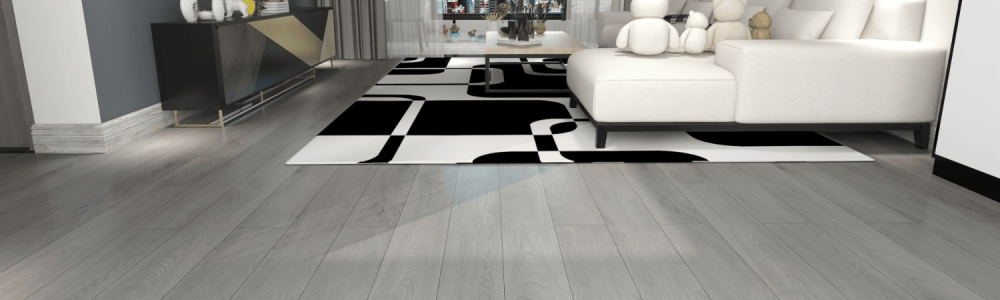
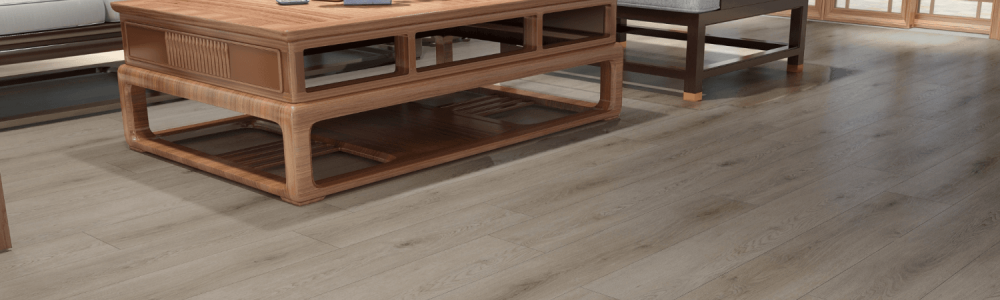
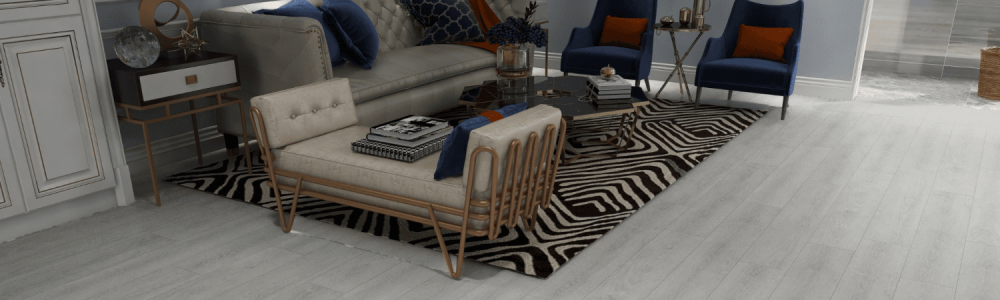
- Realistic wood and stone designs
However, the final quality of SPC flooring depends greatly on the manufacturing process, raw materials and production control.
For importers and distributors, choosing a supplier with stable manufacturing capability is just as important as choosing the product itself.
This guide explains the main steps involved in SPC flooring production.
1. Raw Material Preparation
The first stage of SPC flooring production is preparing the raw materials.
The main components include:
Limestone Powder
Limestone provides the mineral content that gives SPC flooring its rigid structure and dimensional stability.
PVC Resin
PVC provides flexibility and bonding properties within the composite core.
Stabilizers and Additives
Additional materials help improve:
- Processing performance
- Product stability
- Surface quality
The quality and proportion of raw materials directly influence the final flooring performance.
A professional manufacturer should have strict control over incoming materials before production begins.
2. Mixing and Core Layer Production
After raw materials are prepared, they are mixed according to the product formulation.
The mixture is then processed through extrusion equipment to create the SPC rigid core layer.
During this stage, manufacturers control:
- Material ratio
- Temperature
- Pressure
- Thickness consistency
A stable core structure helps provide:
- Better dimensional stability
- Improved impact resistance
- Reliable click performance
The SPC core is one of the key differences between SPC flooring and traditional flexible vinyl flooring.
Related article:
SPC Flooring: A Technical Guide to Rigid Core Waterproof Flooring
3. Calendering and Core Board Formation
After extrusion, the SPC material is processed into a continuous board.
The production line controls:
- Board thickness
- Flatness
- Density
- Surface quality
Precise control at this stage is important because any inconsistency may affect later processes, including:
- Printing
- Lamination
- Click profile processing
4. Decorative Layer Printing
The decorative layer creates the visual appearance of SPC flooring.
Modern SPC flooring can reproduce:
- Oak wood
- Walnut
- Stone
- Marble
- Concrete textures
High-quality printing technology allows manufacturers to create realistic designs for different markets.
For premium products, EIR (Embossed in Register) technology can match surface texture with the printed wood grain.
Learn more:
EIR vs Regular Embossed SPC Flooring: A Technical Sourcing Guide
5. Wear Layer and UV Coating Application
The wear layer protects the decorative surface from daily use.
During production, manufacturers apply:
- Transparent wear layer
- UV protective coating
These layers help improve:
- Scratch resistance
- Stain resistance
- Surface durability
Different applications require different specifications.
For example:
Residential projects may use:
- 0.2mm
- 0.3mm wear layer
Commercial projects often require:
- 0.5mm
- 0.7mm wear layer
Related guide:
SPC Flooring Wear Layer Guide: 0.2mm vs 0.3mm vs 0.5mm vs 0.7mm Explained
6. Click Profile Processing
After the flooring board is produced, the click system is processed.
This step requires high precision because the locking profile affects:
- Installation efficiency
- Joint stability
- Long-term performance
Common click systems include different locking designs depending on manufacturer technology.
A precise click profile helps reduce:
- Installation difficulty
- Joint gaps
- Customer complaints
Read:
7. Quality Inspection During Production
Quality control should happen throughout manufacturing, not only after production.
Important inspection points include:
Raw Material Inspection
Checking:
- Material quality
- Formula consistency
Production Inspection
Monitoring:
- Thickness
- Surface appearance
- Dimensions
Finished Product Inspection
Checking:
- Click performance
- Packaging
- Product consistency
A professional SPC flooring supplier should maintain a complete quality control process.
For buyers:
SPC Flooring Quality Inspection Checklist: What Importers Should Check Before Shipment
8. Packaging and Export Preparation
After final inspection, SPC flooring is prepared for shipment.
Packaging typically includes:
- Protective film
- Cartons
- Pallets
- Container loading
Proper packaging helps prevent:
- Edge damage
- Surface scratches
- Transportation problems
For international buyers, export experience is also an important part of supplier evaluation.
9. Why Manufacturing Capability Matters for Buyers
Two SPC flooring products may have similar appearance but different performance.
Differences often come from:
- Raw material selection
- Production equipment
- Manufacturing experience
- Quality control procedures
For importers, choosing a manufacturer with stable production capability helps ensure:
- Consistent quality
- Reliable delivery
- Fewer customer complaints
Supplier evaluation guide:
How to Find a Reliable SPC Flooring Manufacturer in China: A Buyer’s Guide
SPC Flooring Manufacturing at SENOINFI
SENOINFI focuses on SPC flooring production and international supply.
Our manufacturing process covers:
- Raw material preparation
- SPC core production
- Surface decoration
- Click processing
- Quality inspection
- Export packaging
We provide SPC flooring solutions for:
- Distributors
- Importers
- Project customers
- OEM/private label partners
Request SPC Flooring Samples and Factory Information
Understanding the SPC flooring manufacturing process helps buyers make better sourcing decisions.
A reliable supplier should provide not only competitive prices but also:
Stable Production + Quality Control + Technical Support + Export Experience
If you are sourcing SPC flooring from China, SENOINFI can provide product specifications, samples and manufacturing information for your market.